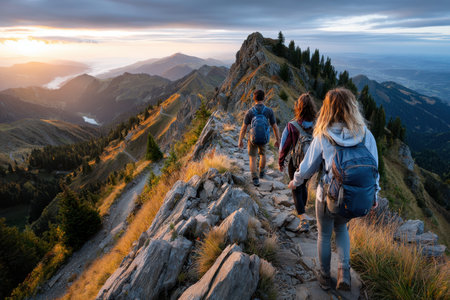

Introduction to South Carolina’s Diverse Hiking Terrain
South Carolina offers a hiking experience unlike any other, thanks to its remarkable diversity of natural landscapes. From the mist-shrouded foothills of the Blue Ridge Mountains in the Upstate to the sun-soaked, sandy trails that wind along the Atlantic Coast, this state invites both seasoned hikers and casual adventurers to explore its scenic wonders. What truly sets hiking in South Carolina apart is how each trail tells a story—of ancient forests, cascading waterfalls, salt marshes teeming with life, and centuries-old maritime forests. Whether you’re seeking a challenging backcountry trek or a peaceful stroll beneath moss-draped oaks, South Carolina’s trails promise unique encounters with native wildlife and breathtaking views at every turn. The blend of mountain majesty and coastal charm makes hiking here a journey through some of America’s most enchanting and varied terrain.
2. Must-Explore: The Foothills Trail Experience
Nestled in the northwest corner of South Carolina, the Foothills Trail stretches for 77 miles through some of the state’s most breathtaking scenery. This iconic trail weaves its way from Table Rock State Park to Oconee State Park, offering hikers a variety of terrains and unforgettable vistas. Whether you’re a seasoned backpacker or a casual day hiker, the Foothills Trail is a must-explore destination that showcases the best of South Carolina’s upcountry wilderness.
Key Routes & Highlights
| Section | Mileage | Notable Features |
|---|---|---|
| Table Rock State Park to Sassafras Mountain | ~8 miles | Steep climbs, panoramic views, highest point in SC |
| Sassafras Mountain to Laurel Valley | ~12 miles | Dense forests, wildflowers, scenic overlooks |
| Laurel Valley to Lake Jocassee Gorges | ~15 miles | Cascading waterfalls, stream crossings, lush gorges |
| Lake Jocassee Gorges to Oconee State Park | ~42 miles | Pine woodlands, wildlife sightings, remote solitude |
Local Flora and Fauna
The Foothills Trail winds through a diverse ecosystem rich with native plants and animals. In spring and early summer, rhododendrons and mountain laurels burst into bloom along shaded paths. Towering hardwoods like oak and hickory provide habitat for songbirds such as warblers and wood thrushes. Keep an eye out for white-tailed deer, wild turkeys, and—if you’re lucky—a glimpse of the elusive black bear. The streams and waterfalls along the route are home to salamanders and native trout, making every step an opportunity to connect with nature.
Flora & Fauna Quick Facts:
- Trees: Oak, hickory, pine, maple
- Wildflowers: Trillium, bloodroot, mountain laurel, rhododendron
- Wildlife: White-tailed deer, black bear, wild turkey, fox squirrel
- Aquatic Life: Brook trout, salamanders, crayfish
Tips for All Skill Levels
Beginner Hikers:
- Start with shorter sections near trailheads at Table Rock or Oconee State Parks.
- Pace yourself—some ascents can be steep and rocky.
- Always carry plenty of water and snacks.
- Dress in layers; weather can change quickly in the mountains.
Experienced Hikers & Backpackers:
- Consider a multi-day trek to experience the full length of the trail.
- Be prepared for primitive camping; designated sites are available but facilities are minimal.
- Bears are present—practice proper food storage and Leave No Trace principles.
- A lightweight water filter is essential for refilling at streams along the way.
No matter your experience level, hiking the Foothills Trail offers a unique chance to discover South Carolina’s wild beauty up close. With its blend of challenging ascents, tranquil forests, and vibrant biodiversity, it stands as one of America’s premier long-distance trails—right here in the Palmetto State!

3. Upstate Gems: Waterfalls, Wildlife, and Historic Sites
Nestled in the northwestern corner of South Carolina, the Upstate region is a treasure trove for hiking enthusiasts seeking both natural beauty and a touch of history. Trails here wind through lush forests, over rolling hills, and past some of the state’s most spectacular waterfalls.
Chasing Waterfalls on Scenic Trails
One of the Upstate’s defining features is its abundance of breathtaking waterfalls. Hikers flock to spots like Raven Cliff Falls in Caesars Head State Park or the twin cascades of Lower and Upper Whitewater Falls—some of the tallest east of the Rockies. Many trails are beginner-friendly yet offer dramatic views, especially after spring rains when the falls are at their most powerful.
Wildlife Encounters in Protected Habitats
The Upstate’s diverse ecosystems support a rich array of wildlife. Along the Foothills Trail or within Table Rock State Park, keep an eye out for white-tailed deer, wild turkeys, and even the elusive black bear. Birdwatchers will appreciate spotting pileated woodpeckers or soaring hawks overhead. Remember to bring binoculars and tread lightly—observing wildlife in their natural habitat is one of South Carolina’s great outdoor joys.
Walking Through History
Beyond its natural wonders, this region offers hikers a direct connection to South Carolina’s storied past. Trails often intersect with remnants of old homesteads, Civilian Conservation Corps structures from the 1930s, or interpretive signs detailing Cherokee heritage. The Oconee Station Historic Site pairs easy hiking with a glimpse into frontier life, blending education with adventure in a way that’s uniquely local.
Tips for Your Upstate Adventure
- Check park websites for trail maps and current conditions.
- Pack plenty of water—summer heat and humidity can sneak up on you.
- Respect wildlife by observing from a distance and not feeding animals.
Your Gateway to South Carolina’s Wild Side
Whether you’re chasing waterfalls, spotting wildlife, or exploring centuries-old landmarks, Upstate South Carolina promises memorable hikes steeped in both natural splendor and local history—a perfect blend for your next outdoor adventure.
Coastal Pathways: Trails with Ocean Views
South Carolina’s coastline offers some of the most unique hiking experiences in the Southeast, where sandy trails wind through maritime forests and open up to breathtaking ocean vistas. Two standout destinations—Huntington Beach State Park and the coastal sections of the Palmetto Trail—showcase how hiking here is as much about environmental learning as it is about scenic beauty.
Huntington Beach State Park: A Natural Classroom
Huntington Beach State Park is a favorite for both casual hikers and wildlife enthusiasts. Its main trail, the Sandpiper Pond Trail, meanders through salt marshes and along pristine beaches, making it perfect for spotting herons, egrets, and even alligators in their natural habitats. Interpretive signs along the path share insights into local ecosystems, turning every walk into an educational adventure.
Palmetto Trail: Blending Adventure with Conservation
The Palmetto Trail stretches across South Carolina, but its coastal passages are truly one-of-a-kind. The Awendaw Passage, for example, takes hikers through pine forests right up to saltwater estuaries, where crabs scuttle and ospreys soar overhead. These trails not only offer immersive beachside exploration but also host guided hikes that highlight conservation efforts and native plant restoration.
Top Coastal Hiking Spots at a Glance
| Trail Name | Location | Main Features | Educational Opportunities |
|---|---|---|---|
| Sandpiper Pond Trail | Huntington Beach State Park | Beach & Marsh Views, Birdwatching | Interpretive Signs, Ranger Talks |
| Awendaw Passage (Palmetto Trail) | Francis Marion National Forest to Intracoastal Waterway | Pine Forests, Estuary Views | Guided Hikes, Conservation Programs |
| Myrtle Beach State Park Nature Trails | Myrtle Beach State Park | Dunes & Maritime Forests | Nature Center Exhibits |
Whether you’re looking to stroll along the shore or dive deep into the region’s ecology, South Carolina’s coastal trails make it easy to combine outdoor recreation with meaningful environmental education. These pathways invite hikers of all ages to connect with nature while learning how these fragile habitats are protected for future generations.
5. Year-Round Hiking Tips and Trail Etiquette
Preparing for South Carolina’s Unique Climate
South Carolina’s hiking trails stretch from the misty Blue Ridge foothills to breezy Atlantic shores, so weather conditions can vary widely throughout the year. Summers are typically hot and humid, especially in the lowcountry, while winters are mild but can bring chilly rain to the upstate. It’s essential to check local weather forecasts before heading out and to plan hikes early in the morning or late afternoon during peak summer months to avoid heat exhaustion.
Recommended Gear for Every Adventure
Dress in lightweight, moisture-wicking layers that you can add or remove as temperatures shift. A wide-brimmed hat, sunscreen, and insect repellent are must-haves for sun-drenched coastal paths and buggy forest trails alike. Sturdy hiking boots with good grip will help navigate rocky upstate terrain or sandy beach trails. Always carry plenty of water—hydration is key in South Carolina’s humid climate—and pack a trail map or GPS device since cell service may be spotty in remote areas.
Leave No Trace: Protecting South Carolina’s Natural Beauty
Respect for nature is part of what makes hiking here so rewarding. Following Leave No Trace principles helps keep these spaces pristine for generations to come. Stay on marked trails to prevent erosion and protect sensitive plant life. Pack out all trash—including biodegradable items like fruit peels—and leave what you find, whether it’s a wildflower or an interesting rock. Be considerate of wildlife: observe animals from a distance and never feed them, as human food can harm local species.
Trail Etiquette: Sharing the Path Responsibly
South Carolina’s popular trails attract hikers, runners, families, and even equestrians. Yield to uphill hikers and give right-of-way to horseback riders when encountered. Keep noise levels low to enjoy the sounds of nature and not disturb others. If hiking with pets, keep them leashed and pick up after them to maintain clean trails for everyone.
Enjoying and Preserving South Carolina’s Trails
By preparing thoughtfully, packing the right gear, and practicing respectful trail etiquette, hikers can fully enjoy South Carolina’s incredible variety of trails—while ensuring these natural treasures remain unspoiled for future outdoor adventurers.
6. Connecting with Local Hiking Communities
One of the most rewarding aspects of hiking in South Carolina is joining its vibrant outdoor community. Whether you’re a newcomer or a seasoned trail enthusiast, there are countless ways to connect with like-minded adventurers across the state.
Hiking Clubs and Organizations
South Carolina boasts a variety of hiking clubs that welcome all skill levels. Groups like the Palmetto Conservation Foundation and the Foothills Trail Conservancy organize regular outings, trail maintenance days, and educational workshops. These organizations not only protect South Carolina’s natural beauty but also foster lasting friendships through shared outdoor experiences.
Joining Group Hikes
If you prefer company on the trails, group hikes are an excellent way to explore new areas safely and learn from others. Many local outfitters, state parks, and meetup groups arrange guided hikes throughout the year, often focusing on popular routes such as Table Rock State Park or the Congaree National Park boardwalks. Participating in these events can introduce you to hidden gems while providing valuable insights into local ecology and hiking best practices.
Becoming Part of the Community
Getting involved is easy—start by following local hiking clubs on social media or checking community bulletin boards at trailheads and visitor centers. Volunteering for trail clean-ups or educational events is another great way to give back while building connections. By engaging with South Carolina’s active outdoor scene, you’ll find support, camaraderie, and plenty of inspiration for your next hiking adventure.