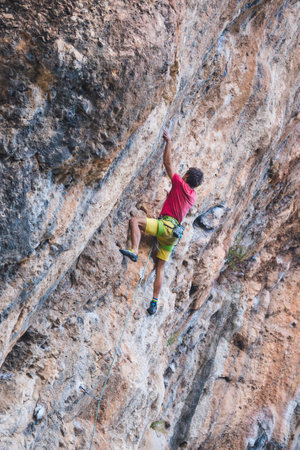

Trailhead Jitters: Facing the Unknown
You’ve packed your gear, triple-checked your map, and fueled up on optimism. But as your boots hit the dirt at the trailhead, there’s a low hum of nerves that’s impossible to ignore. This moment—the split second between car door slam and first footstep—is where the hike truly begins. Doubts swirl with anticipation: Did I train enough? Will I make it to camp before dark? What if something goes wrong? In American hiking culture, this cocktail of jitters is almost a rite of passage. Everyone—from weekend warriors to thru-hikers—feels it. The truth is, setting out isn’t just about having the right gear or a killer fitness routine. It’s a mental leap into the unknown, with every mile ahead shrouded in uncertainty. Embracing those butterflies means respecting both the risks and rewards that lie ahead. For many hikers, what happens in their heads at the trailhead shapes the entire journey. The courage to start is often the toughest challenge—and every seasoned hiker knows that this first mental hurdle is just as real as any rocky climb or steep descent.
Weathering the Storm: Battling Brutal Elements
There’s a saying among American hikers: “If you wait for perfect weather, you’ll never hit the trail.” For many, the most memorable—and mentally taxing—moments happen when the sky opens up or the sun won’t quit. The true test of a hiker’s resilience isn’t always the steepest climb, but how they handle Mother Nature at her wildest.
Real Stories from the Trail
Consider Jenna from Colorado, who found herself in an unexpected spring blizzard on the Continental Divide Trail. “Visibility dropped to almost nothing,” she recalls. “I had to keep telling myself, ‘One step at a time. Just one more step.’” Then there’s Marcus in Arizona, who endured hours of relentless desert sun on the Arizona Trail. With heat radiating off every rock, his mental mantra became, “Stay present. Don’t let your mind spiral.” Both trekkers agree: it was their mindset that got them through—not just their gear.
Mental Strategies for Harsh Weather
| Element | Challenge | Mental Strategy |
|---|---|---|
| Rain | Soggy gear, slippery trails, cold fatigue | Focus on small goals; embrace discomfort as part of the journey |
| Snow/Blizzard | Low visibility, risk of hypothermia, disorientation | Repeat calming affirmations; visualize safe shelter ahead |
| Extreme Sun/Heat | Dehydration, exhaustion, sunburn | Break down miles into sections; celebrate each checkpoint reached |
The Gear vs. The Grit Debate
Hikers will often debate what matters most in foul weather: having top-tier rain jackets or an unshakeable attitude. Veteran thru-hikers argue it’s a blend of both—but grit tips the scale when conditions get gnarly. “You can have all the right equipment and still want to quit if your head isn’t in the game,” says Trevor, who’s walked through Appalachian downpours and Rockies hailstorms alike.
Lessons Learned on Stormy Trails
If there’s one takeaway from these stories, it’s that battling brutal elements is as much about mental fortitude as physical preparation. The ability to reframe misery—to find meaning or even humor in adversity—is what separates those who finish strong from those who call it quits early. In every soaked boot or sunburned shoulder lies a lesson: resilience grows with every storm you survive.

3. Alone with Your Thoughts: Coping with Solitude
When hikers lace up their boots and head deep into the wild, one of the most profound challenges isn’t always the terrain—it’s the solitude. Long miles without cell service or conversation can bring you face-to-face with your own thoughts in a way that modern life rarely allows. For many, this silence is both a gift and a gauntlet, testing mental resilience as much as physical stamina.
The Reality of Trail Solitude
Even on popular routes like the Pacific Crest Trail or the Appalachian Trail, stretches can go by without another soul in sight. At first, the quiet feels peaceful—a break from notifications and small talk. But as days pass, loneliness can creep in, often accompanied by doubts or fears amplified by isolation. Some hikers report reliving old memories; others wrestle with anxieties about what lies ahead. It’s a mental marathon that rivals any summit push.
Internal Dialogue: Friend or Foe?
Seasoned hikers know that what happens inside your head matters just as much as what happens underfoot. Some adopt “trail mantras”—short phrases repeated in rhythm with their steps—to counter negative self-talk. Others intentionally observe their internal chatter, practicing mindfulness to avoid spiraling into unhelpful thought loops. Many hikers journal at camp, using writing to process emotions stirred up by hours of silence.
Strategies for Staying Positive and Present
So how do America’s long-distance hikers keep their spirits up through all those solo miles? It comes down to small but powerful habits: singing out loud, talking to wildlife (no judgment here), and setting micro-goals like reaching the next water source or scenic overlook. Some use podcasts or audiobooks as company when the quiet becomes too heavy—though many cherish the chance to unplug entirely. Above all, they learn to make peace with their own minds, transforming loneliness into a space for growth, creativity, and unexpected joy.
4. When Things Go Sideways: Managing Setbacks on the Trail
It’s a universal truth among hikers: no matter how much you prep, things will go sideways at some point. Maybe it’s a twisted ankle on a rocky switchback, discovering your water filter is missing miles from the last stream, or realizing you’ve been following the wrong trail for hours. These moments—when plans unravel—test not just your physical limits, but your mental grit.
Common Trail Setbacks and Their Impact
| Setback | Immediate Reaction | Mental Resilience Response |
|---|---|---|
| Injury (e.g., sprained ankle) | Panic, frustration, pain | Pause, assess, adapt pace/goals, practice self-compassion |
| Lost Gear (e.g., lost map or stove) | Anxiety, regret | Problem-solve with available resources, ask for help if possible |
| Wrong Turn/Misnavigation | Self-blame, fear of wasted time/miles | Reorient calmly, use humor to lighten mood, reset expectations |
Turning Setbacks into Stories of Perseverance
The difference between a disastrous hike and an epic memory often comes down to mindset. When setbacks hit, seasoned hikers know that mental resilience isn’t about ignoring fear or frustration—it’s about acknowledging those feelings and choosing your next move with intention. For example:
- Case 1: Injury Recovery Mindset – Sara twisted her knee on day three of a weeklong backpacking trip. Instead of quitting, she shifted her focus from “making miles” to savoring shorter sections and immersing herself in the landscape. She journaled her small wins daily—setting up camp solo, filtering water efficiently—and ended the trip feeling stronger mentally than physically.
- Case 2: Lost Gear Adaptation – Mike lost his only lighter before a cold night. Rather than panic, he reached out to nearby hikers for a spare match and shared stories by the campfire. That connection became the highlight of his journey.
- Case 3: Navigational Blunder Reframed – A group took a wrong turn that added six unexpected miles. Instead of blaming each other, they turned it into an impromptu challenge—who could spot the most wildlife along the new route? The detour became their favorite story from the trail.
The Power of Perspective Shifts
Mental resilience means letting go of the perfect plan and embracing the reality in front of you. It’s about reframing setbacks as opportunities for growth and connection—even when things feel overwhelming. With every misstep or mishap, your mental toolkit grows richer: patience is honed, creativity gets exercised, and gratitude deepens for every mile (planned or unplanned) completed.
5. Trail Magic and Kindness: The Boost of Human Connection
Every hiker, at some point, finds themselves grappling with exhaustion, doubt, or loneliness on the trail. In those moments, something extraordinary can happen—something hikers lovingly call “trail magic.” This is more than just a cold soda found in a cooler by the path or a ride offered to town; it’s the spontaneous acts of kindness that knit together the hiking community and recharge weary spirits.
Stories of Unexpected Encouragement
Ask any thru-hiker about their toughest day, and they’ll likely share a story where another person made all the difference. It might be a stranger who offers fresh fruit at a remote road crossing or a fellow hiker who shares an encouraging word when you’re struggling up your tenth mile of switchbacks. These aren’t grand gestures—sometimes just a simple “You’ve got this!” from someone passing by is enough to reignite your determination. When your legs are screaming and your willpower is running on empty, these small boosts can feel monumental.
The Ripple Effect of Generosity
Trail magic isn’t just about receiving; it’s also about paying it forward. Many hikers talk about how being on the receiving end of an unexpected kindness inspires them to do the same for others. Maybe it’s sharing extra snacks at camp or helping someone patch up their gear after a rough stretch. This cycle of giving creates an atmosphere where everyone feels connected, even if only for a brief moment.
How Kindness Recharges the Spirit
When you’re deep in the wilderness, far from home comforts and familiar faces, every human connection matters more. A hot meal prepared by trail angels or even just a conversation under the stars reminds you that you’re not alone out there. These moments dissolve isolation and self-doubt, replacing them with gratitude and hope—fueling mental resilience for the miles ahead.
Ultimately, trail magic teaches us that while hiking may start as a solo endeavor, thriving on the trail depends on community. Every act of kindness becomes part of your story and your strength—a testament to how powerful human connection can be during life’s toughest climbs.
6. Finishing Strong: Mental Endurance at the Final Stretch
If you’ve ever watched a hiker approach the last miles of a long journey—blisters burning, shoulders aching, the finish line still just out of reach—you know this is where mental endurance becomes the main piece of gear. The trail’s final stretch isn’t just about physical stamina; it’s about how hikers handle doubt, pain, and the overwhelming urge to quit when comfort and civilization are almost within grasp.
Pushing Through When Every Step Hurts
Many seasoned thru-hikers will tell you: the hardest part isn’t always the mountain passes or the wild weather, but those closing miles when your body screams for rest and your mind keeps replaying every reason to stop. It’s here that hikers tap into reserves they didn’t know existed. Some use mantras (“one step at a time”), others visualize their proud arrival, and some even break down the distance into micro-goals—just get to that next tree, then the one after that. This focus on tiny wins builds up an avalanche of momentum, turning “I can’t” into “I did.”
The Battle with Doubt
Doubt is a constant companion on long trails, especially as fatigue sets in. Hikers often report moments when quitting feels like relief. Yet, those who finish strong have developed ways to challenge negative self-talk. They recall past victories—whether from earlier in the hike or from life off-trail—to remind themselves they’re capable of more than their doubts suggest. For many, it’s not about silencing doubt completely but coexisting with it and choosing action anyway.
Crossing the Finish Line: More Than Just Miles
Reaching the end doesn’t just mean logging another adventure on your AllTrails profile—it’s a psychological milestone. Crossing that literal or metaphorical finish line reveals how much grit has been forged along the way. Hikers often describe feeling transformed: more resilient, more patient with discomfort, and more confident facing adversity back home. The lessons learned in those final steps—about perseverance, self-belief, and embracing discomfort—linger long after boots come off.
In the end, finishing strong is less about physical prowess and more about what happens inside a hiker’s mind. It’s proof that mental endurance isn’t just for the trail—it’s a lifelong upgrade in resilience and tenacity.