
Choosing the Right Backpack
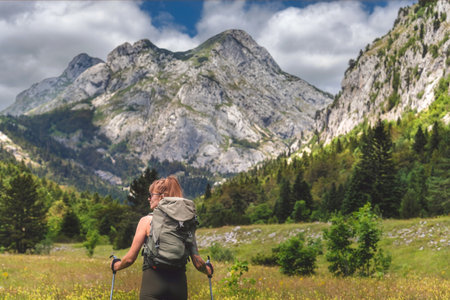
When planning a multiday hike on one of the U.S. National Scenic Trails—whether its the Appalachian Trail, Pacific Crest Trail, or Continental Divide Trail—the first and arguably most crucial piece of gear you’ll need is a backpack that truly fits both your body and your adventure. The right backpack is more than just a container; it’s your mobile home for days or even weeks at a time. Here are some key considerations to help you select the best pack for your journey:
Fit: Comfort Over Miles
A properly fitting backpack can make or break your hike. Look for adjustable torso lengths and hip belts that sit comfortably on your hips, not your waist. U.S. trails often involve long mileage days and rugged terrain, so you want a pack that distributes weight evenly and keeps pressure off your shoulders. Most outdoor retailers offer in-store fitting services, which are worth the visit—don’t skip this step!
Capacity: How Much Is Enough?
For multiday hikes, especially those requiring several days between resupply points (common on American long trails), a 50-70 liter pack is usually ideal. This size gives you enough room for food, shelter, clothing, and safety gear without encouraging unnecessary overpacking. Remember, National Scenic Trails demand self-sufficiency but also reward lighter loads—find the sweet spot between packing essentials and keeping things manageable.
Features Tailored to U.S. Trails
U.S. National Scenic Trails have their own unique challenges: unpredictable weather, vast wilderness stretches, and sometimes limited water sources. Prioritize packs with accessible external pockets for snacks and maps, hydration reservoir sleeves, sturdy zippers, and good ventilation systems (especially for humid East Coast trails). Lash points for trekking poles or bear canisters are a major plus as well.
Pro Tip: Test Before You Trek
Once you’ve narrowed down your choices, load up your potential pack with gear at home or in the store. Walk around, climb stairs if you can, and check how it feels when fully loaded. A little experimentation now saves you from big regrets later on the trail.
Essential Gear Checklist
When planning a multiday hike on one of America’s iconic National Scenic Trails—like the Pacific Crest Trail, Appalachian Trail, or Continental Divide Trail—it’s vital to pack smart. Not only does your gear need to be functional and durable, but it should also reflect Leave No Trace principles, keeping you prepared while minimizing your impact on these treasured landscapes. Here’s a practical rundown of must-have items for backpacking the American way.
Core Backpacking Essentials
| Category | Recommended Items |
|---|---|
| Packing System | Backpack (50-70L), waterproof pack liner or dry bags, small stuff sacks for organization |
| Shelter & Sleep | Tent or tarp, groundsheet, sleeping bag (appropriate for season), sleeping pad, pillow (optional) |
| Cooking & Food Storage | Lightweight stove, fuel canister, cookpot/mug, utensils, food for all days plus extra, bear canister or Ursack (required in some regions), lighter/waterproof matches |
| Hydration | Water bottles or hydration reservoir (2-4 liters total capacity), water filter/purifier, backup purification tablets |
| Clothing (Layered System) | Moisture-wicking base layers, insulating mid-layer (fleece or down), rain jacket & pants, hiking socks (wool/synthetic), hat/gloves, sun protection (hat/sunglasses) |
| Navigation & Safety | Map/compass (even if using GPS), trail app with offline maps, headlamp with spare batteries, first aid kit, whistle, multitool/knife |
| Leave No Trace Tools | Trowel for cat holes, biodegradable soap, ziplocks/trash bag for packing out waste, small towel/bandana |
Personalize Your Kit—But Don’t Overpack!
The American backpacking culture values self-sufficiency and minimalism. Bring only what you truly need; every ounce counts over long distances. Consider the unique challenges of each national trail—weather variability in the Rockies versus humidity on the AT—and adapt your list accordingly. Always double-check regulations regarding food storage and fire bans before you hit the trail.
Pro Tip: Test Your Setup Before You Go
Spend a night camping close to home with your full pack to ensure all gear functions as expected and that your load feels manageable. This practice run helps catch issues before you’re miles into the backcountry.
Remember: Packing with intention not only makes your journey more comfortable but also supports the stewardship of America’s wild places through responsible recreation.

3. Smart Packing Strategies
If you want to hike for days on U.S. National Scenic Trails without sore shoulders or an aching back, how you pack your backpack matters just as much as what you bring. Organizing and distributing weight correctly can mean the difference between a smooth trek and a struggle.
Distributing Weight for Comfort & Balance
Think of your backpack as a puzzle: the heaviest pieces should be closest to your back and centered between your shoulder blades. This helps maintain your center of gravity, especially on rocky switchbacks or river crossings. Place dense items—like food bags, stove, and water reservoirs—midway up the pack and against the frame or back panel. Lighter, bulkier gear (sleeping bag, puffy jacket) should go at the bottom. Reserve the very top for lighter items you might need quickly, such as rain jackets or first aid kits.
What to Keep Accessible
The golden rule: Don’t bury what you’ll use often! Stash snacks, maps, sunscreen, bug spray, headlamp, and a water filter in hip belt pockets, side mesh pockets, or at the very top of your pack. A lot of American hikers like using zippered hip belt pockets for on-the-go munchies or their phone for snapping trail photos. If you’ll need it within the next two hours, keep it handy.
Avoiding Rookie Mistakes
Rookie error #1: Overloading the top of your pack. This makes you feel top-heavy and unstable on uneven terrain.
#2: Dangling gear outside your pack—surefire way to lose stuff or snag branches.
#3: Forgetting to cinch down compression straps. This keeps your load from shifting with every step.
#4: Skipping regular “shakedowns”—before your trip, test-pack and do a short walk to spot comfort issues early.
Pro Tip: Practice Makes Perfect
Before hitting any legendary trail (think Pacific Crest or Appalachian), spend time dialing in your system at home or on local day hikes. Adjust until your pack feels like an extension of you—balanced, stable, and ready for whatever America’s wild places throw at you.
4. Food, Water, and Resupply Planning
Planning food and water for a multiday hike on U.S. National Scenic Trails is as much about smart logistics as it is about calorie count. The key is to balance pack weight with your actual needs—overpacking leads to fatigue, underpacking can lead to serious risk.
Guidelines for Packing Food
- Calorie Count: Aim for 2,500-4,000 calories per day, depending on your size, metabolism, and hiking intensity.
- Weight Efficiency: Choose high-calorie, low-weight foods like dehydrated meals, nut butters, trail mix, and energy bars.
- Meal Planning: Pre-pack each meal in individual bags for easy access and rationing. Don’t forget extra snacks for unexpected delays or tough climbs.
- No-Cook Options: If you want to save fuel or time, include some no-cook meals (tortillas with tuna packs, jerky, or granola).
Sample 3-Day Food Plan
| Meal | Day 1 | Day 2 | Day 3 |
|---|---|---|---|
| Breakfast | Oatmeal + nuts | Granola + powdered milk | Energy bar + dried fruit |
| Lunch | Tortilla + peanut butter | Tuna packet + crackers | Pita + hummus powder |
| Dinner | Dehydrated chili | Pasta side + salami | Couscous + freeze-dried veggies |
| Snacks | Trail mix, jerky, bars | Nuts, chocolate, fruit leather | Sunflower seeds, cookies, nut butter packs |
Packing and Managing Water Needs
- Sourcing: Study maps and local resources to know where reliable water sources are located along your route—this is especially crucial on trails like the Pacific Crest Trail (PCT) or Arizona Trail.
- Treatment: Always treat water from natural sources. Bring a lightweight filter or chemical tablets as backup.
- Carrying Capacity: Carry enough water containers (bottles or reservoirs) to get you through the longest dry stretch between sources—often 2-4 liters per person.
- Hydration Routine: Sip small amounts frequently rather than chugging large amounts at once; this helps prevent dehydration and stomach upset.
Navigating Resupply Points on Major U.S. Trails
The longer the trail (think Appalachian Trail or Continental Divide Trail), the more essential it becomes to master resupply strategy. Most long-distance hikers don’t carry all their food from the start—they plan stops in trail towns or mail themselves “resupply boxes.” Popular trails have well-known resupply points every 3-7 days.
- Bounce Boxes: Some hikers use these mail-forwarded packages to move supplies ahead of them on the trail.
- Town Stops: Research which towns offer good grocery stores versus just gas stations; adjust your packing accordingly.
- Spoilage Prevention: Avoid foods that spoil quickly; repackage items into resealable bags for freshness and space savings.
- Cultural Note: Trail communities are generally supportive—don’t be shy about asking locals or other hikers for advice if you hit a snag.
Your approach to food and water should evolve with experience. Keep notes on what worked (or didn’t) after each trip so you’re always refining your system—and remember: flexibility is one of your best tools out there.
5. Weather and Trail-Specific Considerations
Adapting your packing list for multiday hikes on U.S. National Scenic Trails is all about understanding the unique climates and terrains you’ll encounter. The Appalachian Trail, Pacific Crest Trail, and Continental Divide Trail each present their own challenges, so a one-size-fits-all approach won’t cut it.
Appalachian Trail: Humidity, Rain, and Dense Forests
The AT is notorious for unpredictable weather—think humid summers, sudden thunderstorms, and chilly spring or fall nights. Make sure to include a reliable rain jacket, waterproof pack cover, and quick-drying layers. Consider packing extra socks (blisters are common in wet conditions), and prioritize a tent with good ventilation to minimize condensation inside your shelter.
Pacific Crest Trail: Dry Heat, Altitude, and Snowfields
The PCT takes you from scorching desert to snow-capped Sierra peaks. For the southern sections, sun protection is key: a wide-brimmed hat, sunscreen, and lightweight long sleeves help prevent burns. Water carries can be long—bring extra water bottles or a hydration bladder. When approaching higher elevations, microspikes and an ice axe may be essential for snow travel, especially in early summer.
Continental Divide Trail: Exposure and Variable Conditions
The CDT is known for its remoteness and rapidly changing weather. Lightning storms roll in fast above tree line; pack a lightweight emergency bivy or shelter for safety. Windproof layers are critical, as exposed ridgelines can get brutal even in summer. Reliable navigation tools—a GPS device or map and compass—are non-negotiable since trail markers can be sparse.
Local Wildlife & Regulations
Bear canisters are required in some sections of all three trails—especially through the Sierra Nevada on the PCT or parts of the AT in New England. Always check current regulations before you go. Store scented items securely at night to avoid unwanted animal encounters.
Pro Tip: Seasonal Adjustments Matter
If you’re starting early or late in the season, pack extra insulation layers and consider swapping out gear (such as a warmer sleeping bag or sturdier tent stakes) to match the forecasted conditions. Staying flexible with your packing list is one of the best skills any U.S. trail hiker can develop.
6. Safety, Comfort, and Trail Etiquette
Packing for a multiday hike on U.S. National Scenic Trails isn’t just about gear efficiency—it’s about staying safe, comfortable, and showing respect for both fellow hikers and the wild places you visit. Here’s how to pack with American trail values in mind.
Prioritizing Safety on the Trail
Safety starts with knowledge and preparation. Always pack a well-stocked first aid kit, headlamp or flashlight (with extra batteries), navigation tools (map, compass, GPS), and weather-appropriate clothing layers. Keep these essentials easily accessible—top of your pack or hip belt pockets are ideal—so you’re ready for changing conditions or emergencies at any moment.
Comfort is Key to Enjoying the Journey
A comfortable hiker is a happy hiker. Distribute weight evenly by placing heavier items near your back and center, cushioning sensitive areas with soft gear like sleeping bags or clothing. Don’t forget personal comfort: pack camp shoes to rest your feet, a lightweight seat pad, and snacks within easy reach. Hydration is huge—carry a water filter or purifier that’s quick to grab during breaks.
Practice Leave No Trace and Good Trail Manners
American hiking culture strongly values “Leave No Trace” principles. Pack out everything you bring in—including all trash and food scraps—and use resealable bags for waste. Store toiletries in odor-proof containers and keep soap away from water sources. Respect quiet hours at campsites, yield the trail to uphill hikers, and greet others with a friendly nod or “hello.” Pack your trowel or wag bag for responsible bathroom use; never leave toilet paper behind.
Be Prepared for Wildlife Encounters
Wildlife safety is serious business on U.S. trails. Use bear canisters or hang food properly where required—know local regulations before you go. Never store scented items in your tent, and always cook away from your sleeping area. By packing thoughtfully, you protect both yourself and the animals who call these places home.
The Heart of American Trail Culture
Packing smart isn’t just about what’s on your back—it’s about respecting the people and places that make America’s national trails special. When you pack with safety, comfort, and etiquette in mind, you’re not only prepared for adventure—you’re part of a community dedicated to preserving these landscapes for future generations.