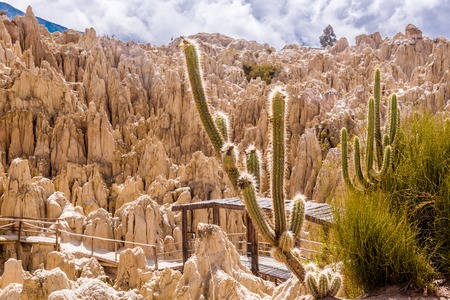

Introduction to Saguaro National Park
Towering over the sunbaked Sonoran Desert, Saguaro National Park is a living emblem of the American Southwest. Split into two districts flanking Tucson, Arizona, this park preserves not just breathtaking desert vistas but also the world’s largest cacti—the iconic saguaro. Walking among these giants is like wandering through a natural cathedral, with arms outstretched toward the blazing blue sky. The landscape here is anything but empty: it pulses with life adapted to extremes, from nocturnal creatures that thrive after dusk to colorful wildflowers that burst forth after rare rains. The saguaro cactus ecosystem is a delicate web, providing shelter and sustenance for countless species, including Gila woodpeckers, desert tortoises, and elusive bobcats. But Saguaro’s significance goes beyond biology—it’s a cultural touchstone for Native Americans, a muse for Southwestern art, and a rugged playground for hikers seeking the true spirit of the desert. Whether you’re lacing up boots for a sunrise trek or simply soaking in the views from the comfort of your car, Saguaro National Park offers an unfiltered encounter with America’s most legendary desert landscape.
2. Essential Desert Hiking Safety Tips
Exploring Saguaro National Park’s cactus-studded trails is an epic adventure, but the Sonoran Desert is as unforgiving as it is beautiful. Tucson’s heat can escalate fast, and being prepared isn’t optional—it’s survival. Here’s your hard-boiled guide to beating the desert at its own game.
Hydration: The Desert’s Golden Rule
If you’re not drinking, you’re in trouble. Dehydration sneaks up quickly under the Arizona sun. Don’t count on natural water sources—they’re rare and unreliable. For every hour of hiking, plan on at least one liter of water per person. Double that if you’re pushing midday or tackling longer routes.
| Hike Duration | Recommended Water Per Person |
|---|---|
| 1-2 hours | 1-2 liters |
| Half-day (3-4 hours) | 3-4 liters |
| Full day (5+ hours) | 5+ liters |
Gear Up: Dress for Survival
- Sun Protection: Wear a wide-brim hat, UV-blocking sunglasses, and long-sleeve shirts. Sunscreen with SPF 30+ is non-negotiable—reapply every two hours.
- Footwear: Sturdy hiking boots protect against loose gravel and spiny cholla cacti.
- Packing List: Bring a map (cell service is spotty), snacks high in salt, a basic first-aid kit, and a whistle for signaling. Lightweight layers help manage temperature swings from hot days to cool evenings.
Wildlife Awareness: Respect the Locals
Saguaro National Park is home to rattlesnakes, Gila monsters, and scorpions. Stay alert—never put hands or feet where you can’t see them (think rock crevices or underbrush). If you hear a rattle, freeze and locate the snake before slowly backing away. Never approach or feed wildlife; they’re not here to make friends.
Common Wildlife Encounters & Response Table
| Animal | What To Do |
|---|---|
| Rattlesnake | Stop, locate snake, slowly back away |
| Coyote | Stay calm, make yourself look big, don’t run |
| Tarantula/Gila Monster | Give plenty of space, do not touch or provoke |
Recognizing Heat Exhaustion Before It’s Too Late
The line between adventure and emergency can blur fast in the desert. Know these early warning signs:
- Dizziness or headache
- Nausea or vomiting
- Cramps or excessive sweating followed by clammy skin
- Confusion or irritability
- Pale or flushed appearance
If you or your hiking partner show any symptoms, stop immediately. Get to shade, hydrate steadily (not all at once), and cool the body with damp cloths or air movement. When in doubt, call for help—better a false alarm than a real disaster.
Your Saguaro Survival Checklist:
- Start hikes early—aim to finish by noon in summer months.
- Check weather forecasts; monsoon storms can roll in unexpectedly.
- Tell someone your route and expected return time.
- Pace yourself—overconfidence gets hikers into trouble more than anything else out here.
No matter how tough you are, the desert always plays for keeps. Plan smart, stay sharp, and Saguaro’s wild beauty will reward you with an experience you’ll never forget.

3. Top Hikes in Saguaro National Park
Easy Trails: Family-Friendly and Accessible
Desert Discovery Nature Trail
This paved, half-mile loop is perfect for beginners and families, offering interpretive signs that introduce the Sonoran Desert’s unique ecosystem. You’ll walk among towering saguaros and cholla cacti while taking in panoramic views of the Tucson Mountains. Wheelchair accessible and shaded ramadas make this a stress-free intro to desert hiking.
Mica View Loop
This 2-mile round trip in the East (Rincon Mountain) District delivers wide-open vistas, fields of wildflowers in spring, and up-close encounters with classic saguaro stands. The mostly flat terrain makes it a solid choice for casual hikers or those acclimating to the desert environment.
Moderate Trails: Adventure With a View
Valley View Overlook Trail
Short but sweet at 0.8 miles round trip, this trail climbs gently through saguaro-studded hills in the West (Tucson Mountain) District. At the overlook, you’re rewarded with sweeping views of Avra Valley—sunsets here are hard to beat. Keep your eyes peeled for Gila woodpeckers nesting inside cactus arms!
Freeman Homestead Trail
This 1.1-mile loop drops you into a sandy wash where ancient petroglyphs hide among boulders and remnants of early homesteads peek out from mesquite groves. Interpretive markers provide history and survival tips unique to the Arizona frontier.
Challenging Treks: For the Rugged Explorer
Wasson Peak via King Canyon Trail
If you’re hungry for elevation gain and epic views, this 7-mile round-trip trek leads to the highest point in the park’s West District (4,687 feet). Switchbacks wind through dense saguaro forests, rocky ridges, and ocotillo thickets—pack extra water and keep an eye out for bighorn sheep on the ridgelines.
Tanque Verde Ridge Trail
This ambitious route starts gentle but quickly ramps up as it ascends Tanque Verde Ridge in the East District. Hike as far as you dare—many opt for the first few miles to enjoy killer overlooks without committing to the full 18-mile round trip. Wildflowers blanket the slopes in spring, while monsoon season brings dramatic cloudscapes rolling over distant peaks.
Survival Tip:
No matter your skill level, respect the desert—start early, carry more water than you think you’ll need, and watch your step around prickly pear patches and rattlesnake habitat. The right trail in Saguaro National Park isn’t just about distance; it’s about knowing your limits and savoring every wild vista along the way.
4. Iconic Saguaro Cacti: Nature’s Desert Sentinels
The saguaro cactus isn’t just the symbol of the American Southwest—it’s the backbone of Saguaro National Park, standing tall and resilient against the harsh Sonoran Desert sun. These cacti are true survivors, capable of living over 150 years and growing up to 40 feet tall. Their accordion-like pleats allow them to expand after rare desert rains, storing thousands of gallons of water to weather months of drought. The iconic arms, which sometimes take decades to develop, aren’t just for show—they help balance the plant and increase its ability to produce flowers and fruit.
Biology of the Saguaro Cactus
| Feature | Description |
|---|---|
| Height | Up to 40 feet (12 meters) |
| Lifespan | 150–200 years |
| Arms Formation | Typically after 50–75 years |
| Flowering Season | Late April through June |
| Pollinators | Bats, birds, bees, and moths |
| Fruit Ripening | June–July |
Cultural Significance in the Southwest
To local Tohono O’odham people, saguaros are more than just plants—they’re considered respected ancestors. For generations, the annual saguaro fruit harvest has been a sacred tradition marking the beginning of their new year. The cactus also features prominently in southwestern art, ranch branding irons, and Arizona license plates—making it an enduring icon across American culture.
Photography Hot Spots for Saguaro Giants
- Cactus Forest Drive (East District): Early morning or sunset light creates dramatic silhouettes against pink desert skies.
- Bajada Loop Drive (West District): Dense stands of mature saguaros offer classic Sonoran landscapes—ideal for wide-angle shots.
- Signal Hill Petroglyph Area: Combine ancient rock art with towering cacti in your frame for a unique juxtaposition of nature and history.
- Mica View Trail: Popular for family hikes and accessible vistas lined with photogenic giants.
Tactical Tips for Capturing Saguaros Like a Pro:
- Golden hour (shortly after sunrise or before sunset) provides soft light that accentuates cactus texture and scale.
- A tripod helps stabilize your camera for low-light shots without losing sharpness.
- Include hikers or foreground objects for scale—these cacti are much bigger than they look!
- If shooting in midday sun, use a polarizing filter to deepen blue skies and cut glare off cactus skin.
- Remember: Stay on marked trails—both to protect delicate desert soil and avoid run-ins with prickly neighbors.
5. Local Culture and Visitor Experiences
Immersive Visitor Centers
If you want to get your bearings and dive into the heart of Saguaro National Park, start at one of the park’s two visitor centers: Red Hills (West) or Rincon Mountain (East). Here, youll find more than just maps—these hubs are packed with interactive exhibits about the Sonoran Desert ecosystem, ancient Hohokam culture, and the science behind those colossal saguaros. The staff here aren’t just handing out trail guides; they’re local experts who can clue you in on current trail conditions, seasonal wildlife, and hidden gems away from the crowds. Don’t miss the short orientation films—they set the stage for everything you’ll see outside.
Ranger-Led Programs: Boots-on-the-Ground Learning
Nothing beats learning from someone who lives and breathes the desert. Ranger-led hikes and talks run year-round, covering topics from cactus biology to the survival tactics of desert critters. Whether it’s a sunrise bird walk or a stargazing session under Arizona’s velvet night sky, these programs offer hands-on insight you won’t get anywhere else. For families or solo hikers alike, ranger activities are a safe bet for getting oriented to the desert’s real risks—think venomous creatures and fast-changing weather—and its subtle wonders.
Authentic Arizona Culture
Saguaro isn’t just about nature—it’s a living piece of Southern Arizona’s cultural landscape. Look out for seasonal events that showcase Tohono O’odham traditions, like storytelling sessions or demonstrations of traditional basket weaving using native desert plants. Outside the park, Tucson itself is a hub of Southwestern flavor: grab authentic Sonoran hot dogs or sample mesquite flour treats at local bakeries. Many nearby galleries highlight indigenous art and cowboy heritage, perfect for rounding out your experience after a day on the trail.
Pro Tips for a True Local Experience
- Hit up both visitor centers—they each have unique exhibits and perspectives on the park’s two halves.
- Sign up early for ranger walks during peak seasons; spots fill fast when wildflowers bloom or temperatures drop.
- Support local artisans at park gift shops; their handmade crafts often tell stories rooted in the land itself.
The Takeaway
Blending hard-edged outdoor adventure with deep-rooted Arizona culture, Saguaro National Park offers more than just iconic landscapes—it delivers an authentic slice of Southwest life. Tap into local knowledge at visitor centers, join ranger programs to stay sharp on desert survival, and let regional culture add flavor to every mile you hike among the giants.
6. Packing List: What Every Desert Hiker Needs
Hard-Hitting Gear Checklist for Saguaro National Park
Desert hiking in Saguaro National Park isn’t a walk in the park—it’s an unforgiving environment where preparation makes the difference between adventure and disaster. Here’s your no-nonsense packing list, tailored for the Sonoran wilds.
What to Wear: Dress for Survival
Lightweight, Long-Sleeve Shirt: Beat the sun, not just the heat. Go with moisture-wicking fabric in light colors.
Convertible Hiking Pants: Protects your skin from sun, cacti spines, and rattlers. Zip-off legs let you adapt to changing temps.
Wide-Brimmed Hat & Sunglasses: Keep your face shaded and your eyes protected from brutal UV rays.
Wool or Synthetic Socks: Cotton kills—avoid it. Choose socks that wick sweat and reduce blisters.
Sturdy Hiking Boots: Traction is key. Ankle support helps on rocky trails and uneven ground.
What to Pack: Don’t Leave These Behind
- Water—Lots of It: At least one gallon per person per day. Hydration packs or insulated bottles are best.
- High-Energy Snacks: Think trail mix, jerky, energy bars—calories count when you’re burning them under desert sun.
- Sunscreen & Lip Balm: Broad spectrum SPF 30+ and a lip balm with sunblock keep you from frying.
- Trekking Poles: Cactus needles hurt; trekking poles help you balance and avoid prickly encounters.
- Pocket Knife/Multitool: For emergencies or gear repairs on the fly.
Survival Essentials: Don’t Gamble with Your Life
- First-Aid Kit: Stocked for blisters, scrapes, snake bites, and dehydration remedies.
- Navigational Tools: GPS device or compass plus a paper map—don’t trust cell coverage here.
- Emergency Whistle & Mirror: If you get lost or injured, signaling tools can be lifesavers.
- Headlamp/Flashlight: The desert gets pitch-black after sunset; don’t risk being stranded in the dark.
- Lightweight Emergency Blanket: Nights can get cold fast—even in Arizona.
Tough Advice from Seasoned Desert Hikers
If you think you’ve packed enough water, pack more. Double-check your first-aid kit and don’t skip protective clothing—cacti are not forgiving. Saguaro National Park rewards those who respect its extremes. Prepare hard, hike smart, and the desert will show you its wonders safely.
7. Leave No Trace: Protecting the Desert
Why It Matters in Saguaro National Park
Saguaro National Park’s sprawling desert, crowned with iconic saguaro cacti, is breathtaking—but also extremely fragile. Every footstep, granola wrapper, or carved cactus scar leaves a mark that can last decades. To keep this wild landscape thriving for future generations, every visitor has a responsibility to follow Leave No Trace principles and treat the Sonoran Desert with respect.
Core Guidelines for Desert Hiking
- Stay on Marked Trails: The desert crust—called “cryptobiotic soil”—anchors plants and prevents erosion. Straying from trails crushes this living layer and damages cactus roots. Stick to established paths to minimize your impact.
- Pack Out All Trash: The rule is simple: if you pack it in, pack it out. Even biodegradable items like orange peels or nut shells disrupt the local ecosystem and harm wildlife. Carry a small trash bag and double-check your rest spots before moving on.
- Leave What You Find: Rocks, flowers, and especially cacti are not souvenirs. Removing natural objects disturbs animal habitats and the park’s delicate balance. Snap a photo, but leave everything else where you found it.
Practical Habits for Every Hiker
- No Graffiti or Carving: Scratching names into saguaros or rocks may seem harmless, but it scars the landscape for years and is illegal. Respect these ancient sentinels by admiring without touching.
- Respect Wildlife: Don’t feed or approach animals. Keep your distance—even seemingly harmless actions stress desert creatures and disrupt their routines.
- Use Restrooms Where Provided: Human waste contaminates water sources and spreads disease. If you must go off-trail, follow park guidelines for burying waste at least six inches deep and 200 feet from water or trails—or better yet, use a portable toilet bag.
The Legacy of Responsible Exploration
Your actions shape the future of Saguaro National Park. Following Leave No Trace isn’t just about rules—it’s about preserving the beauty and wonder of these cactus forests for generations of hikers after you. By making these habits second nature, you help keep the desert wild and resilient—just as tough as the mighty saguaro itself.