
Why Day Hiking Yellowstone is a Game-Changer
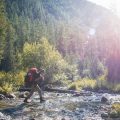
Yellowstone National Park isn’t just a postcard-perfect backdrop—it’s America’s wild frontier, best conquered on foot. Day hiking here is the ultimate way to immerse yourself in one of the planet’s most unique landscapes. Forget the windshield tour. When you lace up your boots and hit the trails, you step straight into a world shaped by fire and ice: erupting geysers, boiling hot springs, thunderous waterfalls, and meadows where bison roam free. Yellowstone’s raw wilderness comes alive under your feet, offering an unfiltered connection to nature that you simply can’t get from behind a steering wheel. Whether you’re chasing geothermal wonders like Old Faithful or hoping to spot elk in Hayden Valley, hiking unlocks up-close encounters with wildlife and lets you experience the park’s untamed spirit firsthand. It’s not just about exercise—it’s about adventure, discovery, and survival instincts kicking in as you navigate some of America’s most storied backcountry.
Essential Gear and Safety Tips for Yellowstone Trails
Yellowstone’s day hikes are as epic as the park itself, but venturing into this wild landscape requires more than just good intentions. Dial in your gear and safety know-how before you hit the trail. Here’s a breakdown of what you need to stay prepared for Yellowstone’s unpredictable weather, notorious wildlife (yes, including grizzlies), and unique trail hazards.
Must-Have Gear Checklist
| Gear Item | Purpose | Pro Tip |
|---|---|---|
| Layered Clothing (synthetic or wool) | Adapts to changing temperatures, keeps you dry and warm | Weather can shift fast; avoid cotton at all costs |
| Sturdy Hiking Boots | Prevents ankle injuries on rocky or muddy trails | Break them in before you arrive—blisters can ruin a hike |
| Bear Spray | Your best defense against bear encounters | Keep it accessible, not buried in your pack |
| Navigation Tools (map, compass, GPS) | Keeps you on track if trails are unmarked or snow-covered | Don’t rely solely on phone apps—cell service is spotty |
| Sunscreen & Sunglasses | High elevation intensifies sun exposure | Apply even on cloudy days; the burn sneaks up on you |
| Water & Filtration System | Avoid dehydration; streams aren’t always safe to drink from directly | Camelbaks work great, but always carry backup water purification tablets or filters |
| Trekking Poles | Adds stability on steep or uneven terrain | Collapsible poles save space when not needed |
| First-Aid Kit & Whistle | Treat minor injuries and signal for help if necessary | Add extra blister pads—you’ll thank yourself later |
| Food/Snacks (high energy) | Keeps energy up during long treks; minimizes fatigue risks | Think jerky, energy bars, and trail mix—no perishables |
Bears and Wildlife: Yellowstone’s Reality Check
- Bears: Carry bear spray at all times and know how to use it. Make noise while hiking—especially in dense forest or near running water where bears might not hear you coming. Never hike alone if possible; groups are less likely to surprise wildlife.
- Bison and Elk: Keep at least 25 yards away from bison/elk and 100 yards from bears/wolves. These animals may look calm but can become aggressive without warning.
Packing Smart for Yellowstone Weather Shifts
The park’s high-elevation climate means you could face rain, snow, hail, or blazing sun—all in one day. Pack a waterproof shell even in summer, and stash an insulating layer in your backpack. Early mornings start cold, but midday temps can climb quickly. Don’t underestimate the wind chill above treeline or near geothermal features.
Navigating Trail Hazards Unique to Yellowstone
- Thermal Areas: Stay on boardwalks and marked paths—ground can be deceptively thin around hot springs.
- Muddy/Slippery Sections: Spring melts and afternoon storms turn sections slick fast; use trekking poles for added grip.
- Crowds: Start early to avoid bottlenecks at popular trailheads—and increase your odds of seeing wildlife undisturbed.
No matter how experienced you are, prepping with this gear and safety mindset is non-negotiable for Yellowstone. The right equipment and knowledge don’t just make your adventure smoother—they could be the difference between a close call and a search-and-rescue scenario.

3. Top Day Hike Trails for Every Level
Yellowstone National Park isn’t just for hardcore trekkers or backcountry veterans—the park’s trail network serves up something for everyone, from laid-back family excursions to adrenaline-pumping wilderness adventures. If you’re rolling into Yellowstone with kids or first-timers, don’t skip the classic Mammoth Hot Springs Terraces loop: an easy, accessible boardwalk journey among steaming travertine formations and surreal landscapes that look straight out of another planet. For those who crave a slice of Yellowstone’s iconic geothermal action without breaking much of a sweat, the Upper Geyser Basin Trail delivers—you’ll stroll past Old Faithful and a geyser-packed landscape with plenty of opportunities for wildlife spotting and photo ops.
Intermediate Hikes: Get Off the Beaten Path
If you’ve got more gas in the tank, step up your game on the Fairy Falls Trail. This moderate route leads you through pine forests and wildflower meadows before revealing one of Yellowstone’s most photogenic waterfalls. Pro tip: take the quick detour up to the Grand Prismatic Spring overlook for jaw-dropping views of that technicolor thermal pool. Another local favorite is Lone Star Geyser Trail, a relatively flat but longer hike along Firehole River to one of the park’s less-crowded erupting geysers—pack a picnic and settle in for the show.
Advanced Routes: Rugged Country and Solitude
For seasoned hikers ready to earn their stripes, Yellowstone dishes out serious challenges. The Mount Washburn Trail is a classic grind, ascending over 1,400 feet with panoramic views at the summit—prime territory for spotting bighorn sheep and maybe even grizzly bears (carry your bear spray). Want real solitude? Head into Hayden Valley via the Mary Mountain Trail: this rugged trek takes you deep into bison country across open grasslands where you might not see another soul all day—except for some four-legged locals. These routes demand preparation, navigation skills, and respect for wildlife, but reward you with raw, untamed Yellowstone few tourists ever experience.
Pro Tip: Mix and Match Your Hikes
No matter your skill level, consider pairing easier boardwalk trails with a moderate hike for a full-day adventure without overdoing it. And always check current trail conditions at visitor centers—Yellowstone’s wild weather and wildlife can change plans fast. Whether you’re looking for leisurely strolls or tough climbs, these day hikes let you tap into the heart of America’s first national park like a true explorer.
4. Insider Tips: Beating the Crowds and Staying Legal
Trail Etiquette: How to Hike Like a Pro
Yellowstone’s trails are legendary, but with that fame comes foot traffic and responsibility. Respecting other hikers and the environment isn’t just polite—it’s crucial for keeping this wild land pristine. Always yield to uphill hikers, keep noise levels down, and stick to marked paths to prevent erosion. Leave No Trace isn’t just a motto; it’s the law of the land here. Pack out everything you bring in—yes, even biodegradable items—and don’t shortcut switchbacks, no matter how tempting.
Permits and Park Rules: What You Need to Know
While most day hikes in Yellowstone don’t require advance permits, certain areas and group sizes do come with restrictions. Here’s a quick breakdown:
| Requirement | Details |
|---|---|
| Day Hikes | No permit needed for groups under 12 |
| Backcountry or Overnight Trips | Permit required—apply online or at ranger stations |
| Group Size Limit | Maximum of 12 per hiking group on most trails |
| Wildlife Encounters | No feeding or approaching animals—fines enforced |
If you’re planning something unique (like leading a large group or commercial activity), check the NPS website or talk to a ranger ahead of time. Ignorance won’t get you off the hook if you break the rules.
Avoiding Peak Times: Find Your Solitude
The best way to dodge crowds is to hit the trail early—think sunrise, not brunch time. Weekdays see less traffic than weekends, and shoulder seasons (late spring and early fall) offer more peace than July and August. Consider lesser-known routes like Garnet Hill or Seven Mile Hole instead of always heading for Fairy Falls or Uncle Tom’s Trail.
Pro Tip Table: Crowd Dodging Strategies
| Strategy | Why It Works |
|---|---|
| Start Before 8AM | Crowds are minimal; wildlife sightings increase |
| Aim for Weekdays | Locals and tourists alike favor weekends |
| Select Lesser-Known Trails | You’ll find quiet stretches even in high season |
Leave No Trace: Protecting Yellowstone’s Wild Heart
This park is a living classroom—treat it with respect. Stay on trails to avoid damaging fragile thermal features and plant life. Use designated restrooms when available; if not, follow backcountry sanitation guidelines (dig a cathole 6-8 inches deep at least 200 feet from water sources). Every action counts toward preserving this place for future generations.
5. Wildlife Awareness and Survival Know-How
Yellowstone is no ordinary backyard—this wild expanse demands real respect and sharp survival instincts. Out here, you’re sharing the trail with some of North America’s most iconic and unpredictable wildlife. If you want your day hike to end with a story, not a rescue call, it pays to know your stuff.
Bears: Stay Alert, Stay Safe
First rule: never underestimate a bear. Carry bear spray within arm’s reach (not buried in your pack), know how to use it, and hike in groups whenever possible. Make noise as you move—clap, talk, or sing, especially around blind corners or in dense brush. Never approach a bear for any reason. If you encounter one, back away slowly; don’t run.
Bison: More Dangerous Than They Look
Those lumbering bison aren’t just furry photo ops—they’re fast and territorial. Always keep at least 25 yards away, even if they seem calm. Avoid getting between a bison and its escape route, and remember: these animals can pivot from docile to charging in seconds.
Other Hazards: Don’t Get Complacent
Yellowstone’s backcountry throws more at you than just wildlife. Stay on marked trails to avoid geothermal dangers like hidden hot springs—these can be deadly if stepped on by mistake. Pack layers for sudden weather shifts, plenty of water, and let someone know your route before heading out. It’s not paranoia—it’s survival smarts.
In Yellowstone, being prepared is non-negotiable. Respect the wild on its terms, follow these time-tested rules, and you’ll earn safe passage through America’s untamed heartland.
Local Eats and Must-Visit Stops After the Hike
After a full day of trekking through Yellowstone’s iconic trails, you’re going to need more than trail mix to recharge. Fortunately, the towns surrounding the park offer plenty of authentic American eats to satisfy that post-hike hunger. Whether you finish your adventure near the West Entrance or the North Gate, you’ll find welcoming spots where boots are always welcome and portions are never skimpy.
West Yellowstone: Classic Comforts and Local Flavor
If you exit via West Yellowstone, swing by The Buffalo Bar, where bison burgers and loaded nachos fuel even the hungriest hikers. For a family-friendly vibe, Running Bear Pancake House dishes out hearty breakfasts all day—just what you need after sunrise at Grand Prismatic Spring. Craving something sweet? Don’t miss homemade huckleberry ice cream from local shops along Canyon Street.
Gardiner: Laid-Back Vibes by Roosevelt Arch
Coming out the North Entrance at Gardiner? Drop into The Corral for classic small-town diner fare—think juicy burgers, onion rings, and milkshakes that hit the spot. For something with a regional twist, try elk chili or trout tacos at Iron Horse Bar & Grill, complete with views of the Yellowstone River.
Cody and Jackson: Beyond the Park Boundaries
If your route leads east toward Cody or south to Jackson, both towns deliver on Western charm and big flavors. In Cody, saddle up at Irma Hotel Restaurant, famous for its prime rib and old-school saloon atmosphere. Jackson boasts a thriving food scene—Snake River Brewing serves up craft brews alongside locally sourced bison bratwursts and wood-fired pizzas.
Pro Tip: Refuel Like a Local
No matter where you end your hike, ask locals about their favorite spots—the best meals are often in no-frills joints just off the main drag. And remember: after a long day on Yellowstone’s trails, you’ve earned every bite. Whether it’s a plate of chicken-fried steak or a slice of wild berry pie, rounding out your adventure with classic American fare is as much a part of the Yellowstone experience as geysers and grizzlies.